
You’ve seen vitamin C serums listed for ₹149 on one tab and ₹2,499 on another, and you’re wondering: what’s the actual difference? Is a cheap serum a waste of time, or are you getting ripped off by expensive ones?
This is one of the most common questions Indian skincare shoppers ask — and the honest answer is more nuanced than most brands will tell you.
In this guide, we break down what vitamin C serums actually cost at each price tier, what you get (and don’t get) for that money, and whether spending ₹300–₹500 is genuinely enough for real, visible results on dark spots, dull skin, and uneven tone.
What Is the Price Range for Vitamin C Serum in India?
The vitamin C serum market in India is enormous — and wildly scattered in pricing. Here is a realistic breakdown of what’s available at each price point in 2026:
| Price Range | What You Typically Get |
|---|---|
| Under ₹200 | Very low vitamin C concentration (1–5%), mostly water and glycerin, minimal to no supporting ingredients. Results: unlikely. |
| ₹200–₹399 | Basic formulas from mass-market brands (Garnier, MamaEarth entry-level). Some have decent vitamin C derivatives but low percentages. |
| ₹400–₹700 | The sweet spot. Good Indian brands (Minimalist, WishCare, Vitawave, Plum) offer 10–20% vitamin C with supporting actives like ferulic acid, hyaluronic acid, and niacinamide. |
| ₹700–₹1,200 | Premium Indian and international brands. Higher formulation quality in some cases, but not always proportionally better results. |
| ₹1,200–₹2,500+ | Dermatologist-brand and international serums (The Ordinary, Clinique, Paula’s Choice, etc.). May have superior delivery systems or packaging, but often have marginal real-world advantage over Indian mid-range options. |
The uncomfortable truth for expensive brands: research consistently shows that mid-range serums priced between ₹600 and ₹800 deliver up to 80% of the same benefits as premium products costing three times more — provided the formulation is right.
What Actually Determines Whether a Vitamin C Serum Is Worth It?
Price alone tells you almost nothing about whether a serum will work. What matters is what’s inside the bottle. Here are the four factors that actually determine results — and how to evaluate them at any price point.
1. Vitamin C Concentration
This is the single most important factor. An effective vitamin C serum needs a minimum of 10% active vitamin C to deliver visible results on pigmentation, dark spots, and glow. Below 10%, you’re unlikely to see meaningful improvement even with months of consistent use.
The ideal range for most Indian skin is 10–20%. Anything above 20% doesn’t deliver significantly better results and is more likely to cause irritation, especially in India’s humid climate.
The cheap serum problem: Many serums priced under ₹300 don’t disclose their vitamin C percentage. That’s a red flag. If a brand isn’t transparent about concentration, assume it’s below 5% — which is essentially ineffective.
2. The Form of Vitamin C Used
Not all vitamin C is equal. The ingredient can appear in several forms in skincare:
- L-Ascorbic Acid (LAA) — the purest, most potent form. Most research-backed. Highly effective but unstable — it oxidises quickly when exposed to air and light, especially in India’s heat. Requires careful pH formulation (around 3.0–3.5) and good packaging.
- Ethyl Ascorbic Acid (EAA) — a stable derivative that converts to active vitamin C in the skin. More suitable for sensitive skin and India’s humid climate. Delivers comparable brightening results with less irritation risk.
- Sodium Ascorbyl Phosphate (SAP) — gentler and more stable. Lower potency but good for beginners or sensitive skin.
- Ascorbyl Glucoside — the most stable but also the least potent. Found in many budget serums because it’s cheaper to use.
A cheap serum using ascorbyl glucoside at 2–3% is not the same as a mid-range serum using L-ascorbic acid or ethyl ascorbic acid at 15%. The price difference is often justified by this ingredient difference alone.
3. Supporting Ingredients (This Is Where Budget Serums Fall Short)
A well-formulated vitamin C serum is never just vitamin C. The best serums combine vitamin C with ingredients that:
- Ferulic acid: Stabilises vitamin C and amplifies its antioxidant effect. Studies show ferulic acid can double the photoprotective benefit of vitamins C and E combined.
- Hyaluronic acid: Hydrates the skin and reduces the risk of dryness or flaking from the active vitamin C formula.
- Niacinamide: Brightening, barrier-strengthening, and anti-inflammatory. Excellent for Indian skin dealing with pigmentation and heat-related stress.
- Vitamin E: Works synergistically with vitamin C to enhance antioxidant protection.
Budget serums under ₹300 almost never include ferulic acid and often skip hyaluronic acid too. That’s not just a “nice to have” difference — it’s a formulation difference that directly affects how well the vitamin C works and how long it stays stable in the bottle.
4. Packaging Quality
This one is underappreciated. Vitamin C is photo-sensitive. A clear glass or plastic bottle is one of the biggest reasons a serum can arrive fresh and become ineffective within weeks of opening.
A quality serum should come in:
- A dark or opaque bottle (amber glass or opaque plastic)
- A pump or dropper mechanism that limits air exposure
- A sealed, tamper-proof cap
If a ₹200 serum comes in a clear bottle with an open mouth cap, the vitamin C is likely already partially oxidised by the time it reaches you. This is not hypothetical — it’s chemistry.
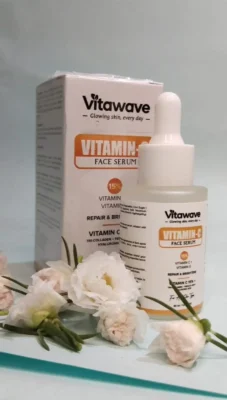
Vitawave Vitamin C Serum | Skin Brightening, Collagen Boost & Dark Spot Corrector | With Hyaluronic & Ferulic Acid (30ml)
So Is ₹300–₹500 Enough for Real Results?
Honest answer: it depends on the specific product — not just the price.
There are serums in the ₹300–₹500 range that are genuinely effective. The key is finding one that:
- Clearly states 10%+ vitamin C concentration
- Uses a stable and effective form of vitamin C (not just ascorbyl glucoside)
- Includes at least hyaluronic acid and ideally ferulic acid
- Comes in proper opaque packaging
Unfortunately, most serums at this price point cut at least one of these corners. The most common compromise is concentration — many ₹300 serums use a low percentage of a cheap vitamin C derivative.
But there is an important truth here: the ₹400–₹700 range is where Indian brands genuinely deliver excellent formulations. You do not need to spend ₹1,500 or more for a vitamin C serum that works. The Indian skincare market has matured significantly, and brands like Vitawave, Minimalist, and Plum are producing clinically meaningful formulations at accessible prices.
The question isn’t “is ₹500 enough?” — it’s “am I spending ₹500 on the right product?”
What Results Can You Realistically Expect — And When?
This is where many buyers feel frustrated — and understandably so. Vitamin C serum doesn’t work overnight. Here is an honest, research-backed timeline of what to expect with consistent daily use:
Days 1–7: Hydration and a subtle first glow. You may notice your skin feels slightly more hydrated and looks a little more awake. This is the hyaluronic acid and vitamin C beginning their work on the skin’s surface. Don’t expect dramatic changes yet.
Weeks 2–4: Brighter skin tone. With daily morning application and SPF, most users start noticing their overall skin tone looks more even and luminous. Dullness reduces. This is often described as a “lit from within” effect.
Weeks 4–8: Dark spots begin to fade. This is when vitamin C’s melanin-inhibiting action becomes visible. Existing dark spots, post-acne marks, and sun tan patches start to appear lighter. You’ll likely notice this most in before/after photos compared side by side.
Weeks 8–12: Full skin transformation. Peak results for most people arrive here. Skin texture improves, fine lines may appear softer, and pigmentation is significantly reduced. Collagen synthesis — which vitamin C supports — is also showing its effects.
Important: 1 in 3 people give up before the 12-week mark because they don’t see “instant” results. The most significant improvements happen right after this dropout point. If your serum is properly formulated and you’re applying it consistently every morning with SPF, the results will come — patience is the hidden ingredient.
Price Comparison: Popular Vitamin C Serums in India (2026)
Here is an honest look at where different products sit on the price-vs-value spectrum:
| Brand & Product | Price (approx.) | Vit C % | Key Supporting Ingredients | Value Rating |
|---|---|---|---|---|
| Garnier Bright Complete (15ml) | ₹200–₹250 | ~2–5% (not disclosed) | Basic | Poor — low concentration, weak formula |
| MamaEarth Vitamin C Serum (30ml) | ₹350–₹400 | ~10% | Turmeric, hyaluronic acid | Decent for beginners |
| Minimalist 10% Vitamin C (30ml) | ₹400–₹450 | 10% | AHA, PHA | Good — transparent formula |
| Vitawave 15% Vitamin C (30ml) | ₹399–₹499 | 15% | Hyaluronic acid + Ferulic acid | Excellent — complete formula |
| Plum 15% Vitamin C (30ml) | ₹600–₹700 | 15% | Mandarin, ferulic acid | Very good |
| WishCare Super Bright C16 (30ml) | ₹400–₹500 | 16% | Ferulic acid, kojic acid | Very good |
| The Ordinary Ascorbyl Glucoside 12% (30ml) | ₹1,400–₹1,500 | 12% (glucoside form) | Minimal | Overpriced for the formula |
| Clinikally Vitamin C3+ Serum | ₹1,500+ | High, multiple forms | Kakadu Plum, vitamins | Premium — justified for specific concerns |
The standout observation here: Vitawave at ₹399–₹499 delivers 15% vitamin C combined with both ferulic acid and hyaluronic acid — a formulation you’d normally pay ₹700–₹900 for from other brands. This is the ingredient-cost reality of buying direct from a brand that doesn’t pay marketplace commissions.
The Real Cost of a Cheap Serum
Here’s a calculation most people don’t make:
Imagine you buy a ₹250 serum with 2% ascorbyl glucoside. You use it for 3 months — that’s approximately ₹750 across three bottles, plus the time and mental energy of using a product that delivers no visible results. You then assume “vitamin C doesn’t work for my skin” and move on.
Alternatively, you spend ₹499 on one bottle of a 15% vitamin C serum with ferulic acid. You use it daily for 3 months. By week 8, you have genuinely brighter skin and visibly reduced dark spots. Your cost per effective result is far lower.
Cheap doesn’t mean affordable. Ineffective is the most expensive option of all.
5 Things to Check Before Buying Any Vitamin C Serum at Any Price
Before you add any serum to your cart — at ₹200 or ₹2,000 — run through this checklist:
- Is the vitamin C percentage clearly stated? If the brand won’t say, assume the worst.
- What form of vitamin C is used? L-ascorbic acid and ethyl ascorbic acid are the most effective. Ascorbyl glucoside at low concentrations is the weakest.
- Does it contain ferulic acid? If you’re spending over ₹400, this should be in the formula. It’s what separates a good serum from a great one.
- What is the packaging like? Opaque bottle + pump or dropper = good. Clear bottle + open cap = skip it.
- Does the brand clearly list all ingredients (INCI list)? Reputable brands always do. Opacity about ingredients is a sign of something to hide.
Why Vitawave Vitamin C Serum Offers the Best Price-to-Results Ratio
Vitawave’s 15% Vitamin C Face Serum is formulated specifically to hit the quality markers that matter — at an accessible Indian price point.
What’s inside:
- 15% active vitamin C — the research-backed sweet spot for visible results without irritation
- Ferulic acid — stabilises the vitamin C and significantly boosts its antioxidant effect
- Hyaluronic acid — ensures the formula hydrates rather than dries, crucial for daily use in Indian climate
- Lightweight, non-greasy texture designed for India’s heat and humidity
- Comes in opaque, sealed packaging to preserve potency
What it costs: ₹399–₹499 direct from vitawave.in
When you buy direct, you pay the brand’s price — not the brand’s price plus Amazon’s commission, Nykaa’s margin, and the seller’s markup. That’s the price difference you’re seeing.
Delivery: Free pan-India shipping. COD available. Ships within 24 hours.
👉 Buy Vitawave 15% Vitamin C Serum — Best Price, Free Delivery, COD Available
Frequently Asked Questions
Is a ₹300 vitamin C serum effective?
It can be, but only if the formulation is right. At ₹300, most brands cut corners on concentration (using less than 10% active vitamin C) or use a weak vitamin C derivative like ascorbyl glucoside at low percentages. Before buying any serum at this price, check that the vitamin C percentage is clearly stated and at least 10%.
What is the best vitamin C serum under ₹500 in India?
For value at under ₹500, look for serums that clearly state 10–15% vitamin C, include hyaluronic acid and ideally ferulic acid, and use stable vitamin C forms. Vitawave 15% Vitamin C Serum, Minimalist 10%, and WishCare Super Bright C16 are strong options in this range.
Is expensive vitamin C serum better?
Not necessarily. Research shows that a well-formulated mid-range serum (₹400–₹800) delivers up to 80% of the same results as premium serums costing ₹1,500 or more. The premium price often reflects brand positioning, packaging aesthetics, or marketing costs — not a proportional improvement in active ingredients or efficacy.
How long does one bottle of vitamin C serum last?
A standard 30ml bottle typically lasts 4 to 6 weeks with daily use (2 to 3 drops per application). At twice daily, expect 3 to 4 weeks per bottle. Monthly cost at ₹499 per bottle works out to roughly ₹14–₹17 per day — comparable to a single cup of chai.
Does vitamin C serum expire?
Yes. Unopened, most vitamin C serums last 12 to 24 months. Once opened, use within 3 to 6 months. The biggest sign of an expired vitamin C serum is colour change — if it’s turned orange or dark brown, the vitamin C has oxidised and is no longer effective. Always check the manufacture date before buying.
Can I use vitamin C serum if I have sensitive skin?
Yes, but choose your formulation carefully. L-ascorbic acid at high concentrations (20%+) can be irritating for sensitive skin. A serum at 10–15% using a stable vitamin C derivative, or one formulated at a skin-friendly pH of around 5 to 6, is better suited to sensitive skin types. Always patch test first.
Should I use vitamin C serum morning or night?
Morning is ideal. Vitamin C is an antioxidant — it neutralises the free radicals generated by UV exposure throughout the day. Apply it after cleansing, before moisturiser, and always follow with SPF. Using SPF with vitamin C gives you significantly better protection against sun damage and accelerates results on pigmentation.
Is vitamin C serum worth the cost for Indian skin specifically?
Yes — and arguably more so than for other skin types. Indian skin is naturally more prone to hyperpigmentation, sun-induced dark spots, and post-inflammatory marks due to higher melanin levels. Vitamin C is one of the most evidence-backed ingredients for addressing all three. At ₹400–₹500 for a quality serum, the cost-to-benefit ratio for Indian skin is excellent.
The Bottom Line
Vitamin C serum in India ranges from ₹149 to ₹2,500+. The price alone tells you very little. What matters is concentration (minimum 10%), form of vitamin C (L-ascorbic acid or ethyl ascorbic acid preferred), supporting ingredients (ferulic acid + hyaluronic acid), and packaging quality.
The ₹300–₹500 range can absolutely deliver real results — if the right product is chosen. And results don’t require expensive serums. They require the right formulation, consistent daily use, and SPF every morning.
For the best combination of proven formulation, transparent ingredients, and fair Indian pricing:
→ Order Vitawave 15% Vitamin C Serum — ₹499, Free Delivery Across India, COD Available
Recent Blogs
-
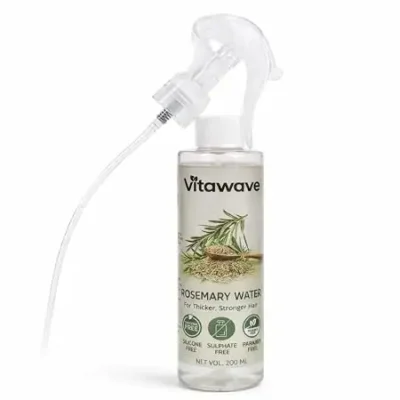 Vitawave Rosemary Water Hair Mist Is Here
-
 Best Hair Growth Spray for Men in India
-
Rosemary Water for Hair Growth
-
 Vitamin C Serum for Face: Complete Beginner’s Guide for Indian Skin
-
 Vitamin C Serum Price in India 2026
-
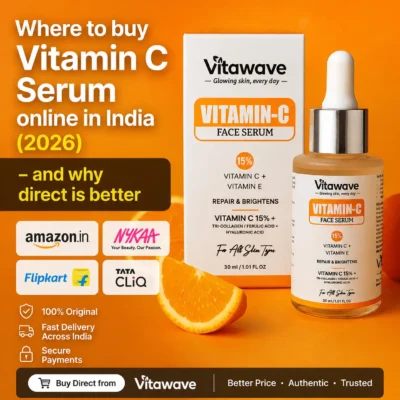 Where to Buy Vitamin C Serum Online in India
-
 Best Vitamin C Serum Under ₹500 in India (2026) — Honest Review
-
 Vitamin C Serum for Dry Skin — The Complete 2026 Guide
-
Vitamin C Serum For Oily Skin
-
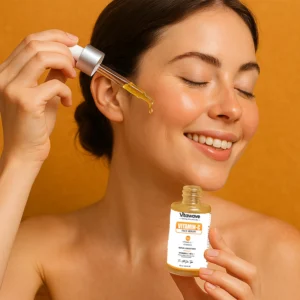 Vitamin C Serum for Pigmentation & Dark Spots