
Vitamin C serum has been the cornerstone in successful regimens to use for skin care since SkinCeuticals launched its initial formula in 1997. Even though it’s everywhere I’ve seen a lot of users of skincare unaware of their outcomes and wasting money on products that are not performing. At a cost of $182 for the most pricey options like SkinCeuticals C E Ferulic These errors will end up costing you a great deal of money.
Used correctly used properly, vitamin C can be an ingredient that can be a strength point. Vitamin C makes the skin glow, diminishes blemish spots, darkens spots away, firm-up skin elasticity and instant hydrating. But it all depends on using the right formula. Contrary to others’ perception that a higher percentage of vitamin C means a better product. Whether you go for an affordable option or splurge on the highest quality formulas, learning how to do it is crucial. In this article we will review the most common vitamin C serum errors I encounter on a daily basis and illustrate how to correct these mistakes in order to get improved results.
The Top Mistakes People Make when using Vitamin C Serums
Most users of skincare products unconsciously ruin the effectiveness of these products by ignoring the vitamin C supplements that they add. Most people, at the beginning, are not aware of the reality that vitamin C is highly unstable. Exposed to light, oxygen and heat sources, the vitamin begins to oxidize quickly, and turns brownish or yellow, an obvious indication that it’s compromised in strength. It is also kept in bathroom shelves by most, where the breakdown is accelerated by temperature and humidity.
The other major error is the mistake of confusion over concentration. Where most believe that more is good the studies have indicated that effectiveness is concentration dependent at about 20%. More than this can be annoying, rather than being beneficial.
Timing is also critical. While vitamin C does have antioxidant defense but it must be applied after UV exposure and not prior. Additionally, the majority of individuals unintentionally combine vitamin C with the wrong ingredients. Combined with retinol AHAs/BHAs, or benzoylperoxide can induce unwanted effects or even increase irritation.
Perhaps the most expensive issue is patience. Studies show that obvious improvements tend to occur after three months of regular use, but many people give up on applying their serum within a few weeks after noticeable improvements do not show up overnight.
Even the best-designed products with stabilizers such as ferulic acid and Vitamin E deteriorate at an equal rate, losing more than half their potency within a span of only six weeks. Store them properly. just a matter of fighting for it, but need to protect your investment.
How to Fix These Mistakes and Get Better Results
We now know what’s amiss, let’s fix the problem to maximize the benefit. Storage matters. Store this vitamin C supplement in a cool, dark place away from heat and sun. Some dermatologists recommend refrigeration of your serum as it has been found by studies that cooler temperatures extend its lifespan.
Always ensure that the packaging isn’t damaged before purchasing. Purchase serums in transparent, light-proof containers that inhibit degradation due to light. Tightly seal the bottle after every use and only utilize pure droppers to avoid bringing contamination in.
For maximum effectiveness, use products that contain L-ascorbic acids between 10-20 10%. Sensitive skin persons begin lower at 5-10% and can gradually move up as tolerance increases.
Seek out products that use stabilizing ingredients such as Vitamin E and ferulic acid that improve their effectiveness and prolong their shelf life. These blends offer greater antioxidant defense than when used individually with vitamin C.
Also, combine the serum with sunscreen to achieve double protection. Research shows that vitamin C boosts SPF effectiveness and protects against damages caused by UV radiation as well as toxins.
If your serum is brown, yellow, or has a sour odor the serum is oxidized and less potent. Time to change it. The majority of vitamin C serums have an average lifespan of about 3-6 years from the time that they were opened.
How to Choose the Right Vitamin C Serum for You
The journey of finding an appropriate vitamin C serum starts with knowing your skin type. For oily skin, apply light, non-comedogenic products that don’t clog pores or provide an extra shine. Dry skin is natural benefit of hyaluronic acids-containing serums and moisturizers containing ingredients with milky-like texture. Combination skin requires balanced regimen which address oily spots as well as dry spots. Likewise, sensitive skin requires gentle formulations which contain 10% to 20 percent concentration.
The packaging of vitamin C is entirely crucial. L-ascorbic acid is the purest and most potent type but will happily break down extremely quickly unless properly packaged. People with sensitive skin might find types such as sodium ascorbyl phosphate or ascorbyl-glucoside to be more tolerant options.
Packaging is another important aspect of effectivity. Use transparent, air-tight bottles which protect the formula from light and air. These inhibit the process of oxidation and keep the efficiency intact.
Look for ingredients that enhance the effects of vitamin C. Vitamin E is a synergistic active in combination with vitamin C to increase its effect and to provide greater antioxidant benefits. Hyaluronic acid is a critical source of water hydration, and especially beneficial in fighting dryness commonly caused by vitamin C.
Also make sure you experiment with patches of new serums. Use a small bit of the serum behind your ear for 7-10 days prior to applying it to your face. This preventive measure enables you to identify any potential reactions, since women use around 12 personal care products a day exposing them to 168 chemicals.
Conclusion
Vitamin C serums are bound to provide amazing advantages if used in the right manner. However, most of us skincare enthusiasts miss out on reaping these advantages due to some easy, costly mistakes. Storage in a cool dark place preserves potency, and application of the right concentration–often 10-20%–prevents disappointing outcomes as well as unwelcome irritation. Additionally, familiarizing yourself with your own skin type will allow you to choose products that work for your skin.
Instead of on instantaneous miracles, patience is required with vitamin C products. Benefits are normally seen after three months of consistent application, although most people stop their routines too early. Also, combining your serum with ingredients that harmonize will optimize the benefits and avoid negative effects.
Vitamin C has a rightful reputation as a great ingredient for skincare. But with such privilege comes responsibility–yours to store, select, and apply it correctly. The next time you grab the bottle with the dropper, please keep the recommendations we’ve made in mind. Your skin will reward you with the elasticity, brightness and glow that properly stored vitamin C provides. A wise strategy can transform the ingredient from an expensive disappointment to what it can be the best overall protection against environmental stress and premature aging.
Recent Blogs
-
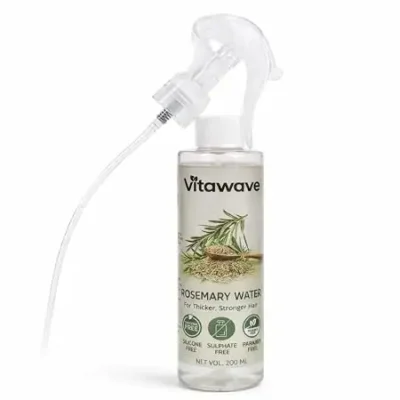 Vitawave Rosemary Water Hair Mist Is Here
-
 Best Hair Growth Spray for Men in India
-
Rosemary Water for Hair Growth
-
 Vitamin C Serum for Face: Complete Beginner’s Guide for Indian Skin
-
 Vitamin C Serum Price in India 2026
-
 Where to Buy Vitamin C Serum Online in India
-
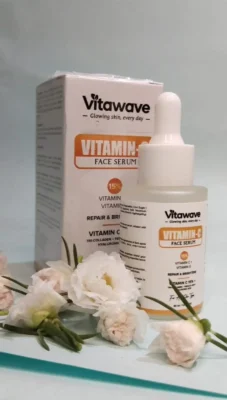 Best Vitamin C Serum Under ₹500 in India (2026) — Honest Review
-
 Vitamin C Serum for Dry Skin — The Complete 2026 Guide
-
Vitamin C Serum For Oily Skin
-
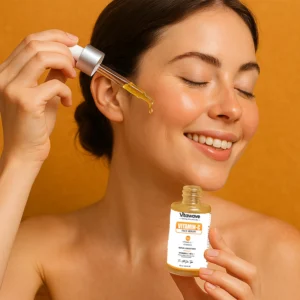 Vitamin C Serum for Pigmentation & Dark Spots